Fundamental Analysis is the process of evaluating a company’s financial health, business performance, industry position, and future growth potential to determine whether a stock is undervalued or overvalued.
Unlike Technical Analysis, which focuses on charts and price movement, Fundamental Analysis studies the actual business behind the stock.
It is mainly used by:
- Long-term investors
- Value investors
- Institutional investors
- Portfolio managers
What Does Fundamental Analysis Study?
Fundamental analysts examine:
- Revenue & Profit Growth
- Company Financial Statements
- Earnings Per Share (EPS)
- Price-to-Earnings (P/E) Ratio
- Debt Levels
- Management Quality
- Industry Growth
- Future Business Potential
The main goal is to find strong companies with long-term growth potential.
Key Components of Fundamental Analysis
1. Financial Statements

Investors study company reports such as:
- Balance Sheet
- Profit & Loss Statement
- Cash Flow Statement
These reports help understand the company’s financial condition.
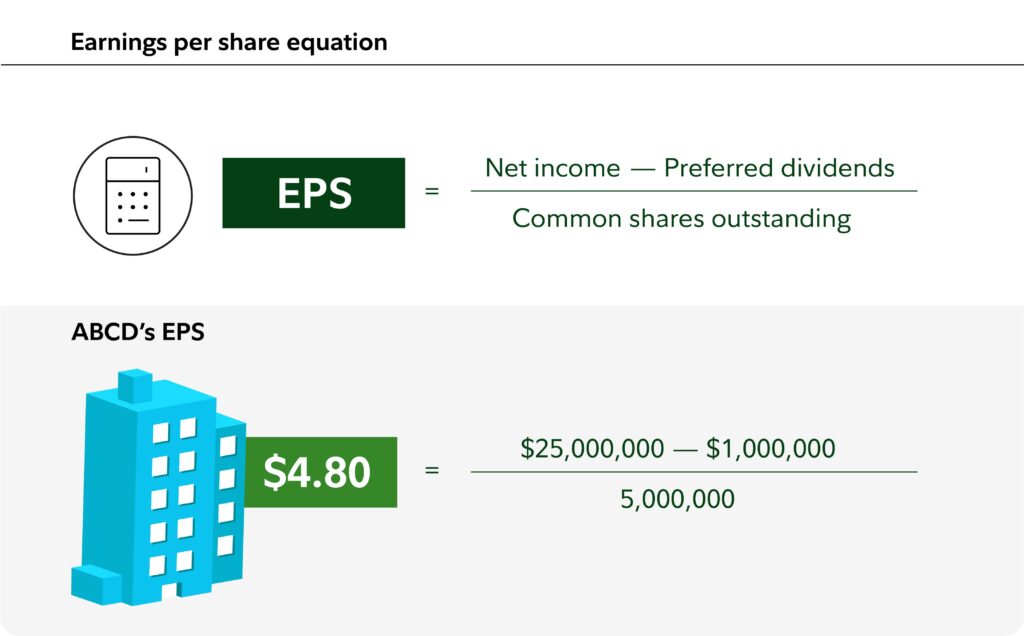
2. Earnings Per Share (EPS)
EPS shows how much profit a company earns for each share.

Higher EPS generally indicates stronger profitability.

3. Price-to-Earnings (P/E) Ratio
The P/E ratio compares stock price with company earnings.

- High P/E may indicate growth expectations
- Low P/E may indicate undervaluation

4. Debt-to-Equity Ratio
This measures how much debt a company uses compared to shareholder equity.
Lower debt usually indicates better financial stability.

5. Revenue & Profit Growth
Investors prefer companies with:
- Consistent sales growth
- Increasing profits
- Strong future expansion potential
Types of Fundamental Analysis
Quantitative Analysis
Focuses on numbers and financial data.
Example:
- Revenue
- Profit
- EPS
- Ratios
Qualitative Analysis
Focuses on non-financial factors.
Example:
- Brand value
- Management quality
- Competitive advantage
- Business model
Advantages of Fundamental Analysis
Helps identify strong companies
Best for long-term investing
Helps find undervalued stocks
Reduces investment risk
Focuses on real business growth
Limitations of Fundamental Analysis
Time-consuming process
Requires financial knowledge
Short-term price movement may ignore fundamentals
Market sentiment can temporarily affect stock prices
Conclusion
Fundamental Analysis helps investors understand the real strength and future potential of a company. By studying financial performance, business growth, and market position, investors can make smarter long-term investment decisions.
Successful investors often combine strong fundamentals with patience, discipline, and proper risk management to build long-term wealth in the stock market.