Top-Down Analysis is an investment and market analysis method where traders and investors start by analyzing the overall economy and market conditions first, then move toward sectors, industries, and finally individual stocks.
Instead of directly selecting stocks, this approach focuses on identifying:
- The overall economic trend
- Strong-performing sectors
- The best companies within those sectors
Top-Down Analysis helps investors choose stocks that align with broader market trends and economic growth.
It is widely used by:
- Long-term investors
- Portfolio managers
- Institutional investors
- Swing traders
- Macro analysts
What is Top-Down Analysis?
Top-Down Analysis follows a step-by-step filtering process:
Step 1: Analyze the Economy
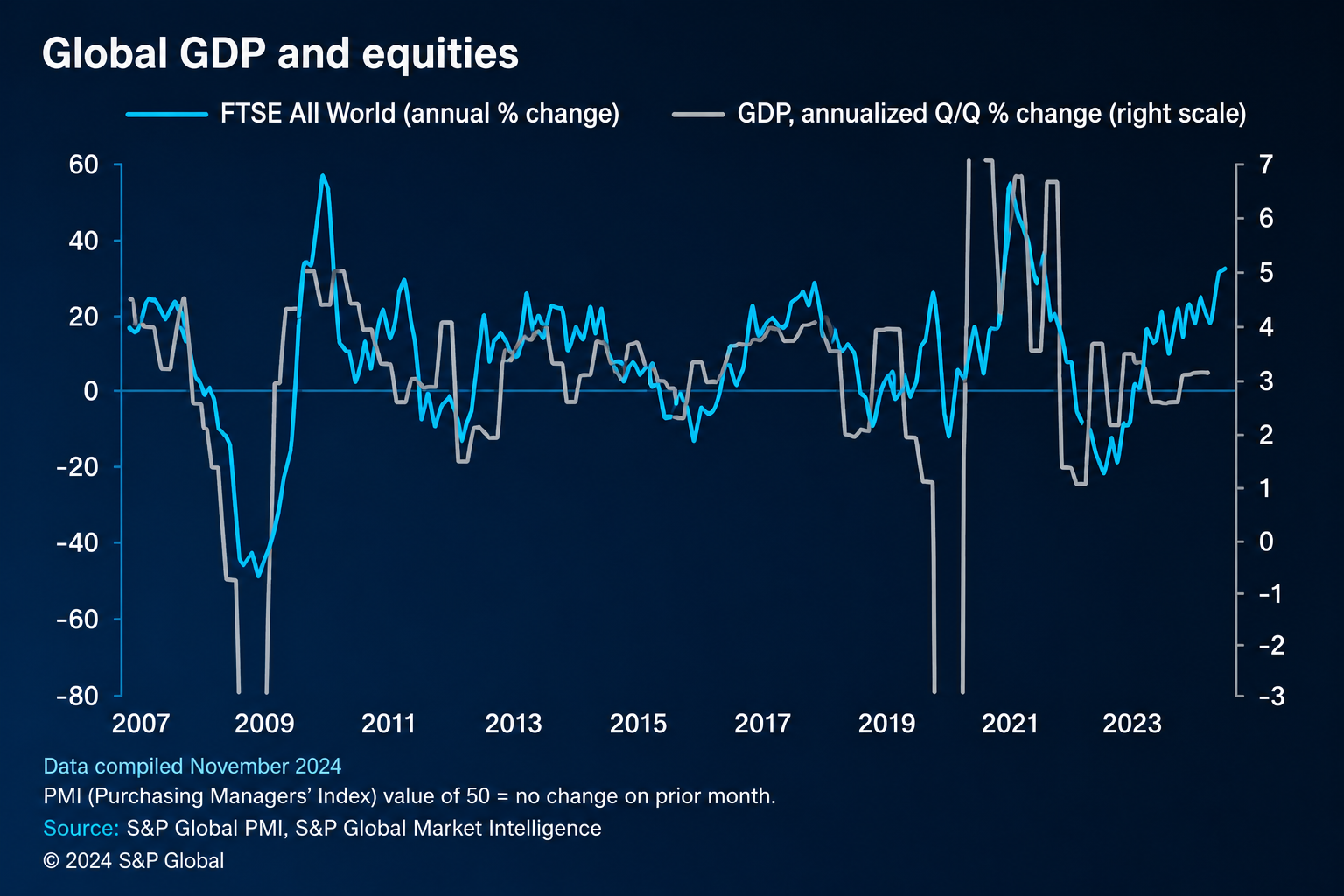
Study:
- GDP growth
- Inflation
- Interest rates
- Government policies
- Global market conditions
This helps understand whether the economy is strong or weak.
Step 2: Analyze the Market

Investors analyze overall market direction using:
- Nifty 50
- Sensex
- S&P 500
- Nasdaq
If the overall market trend is bullish, investors look for buying opportunities.
Step 3: Analyze Sectors
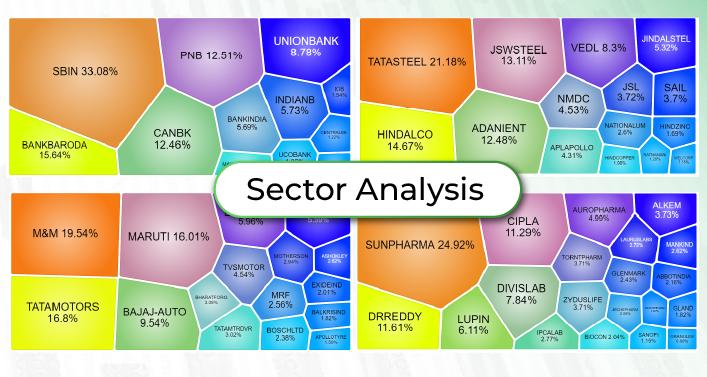
After understanding the market, investors identify strong sectors.
Examples:
- Banking
- IT
- Pharma
- Auto
- Energy
Sector strength often changes according to economic conditions.
Step 4: Analyze Individual Stocks
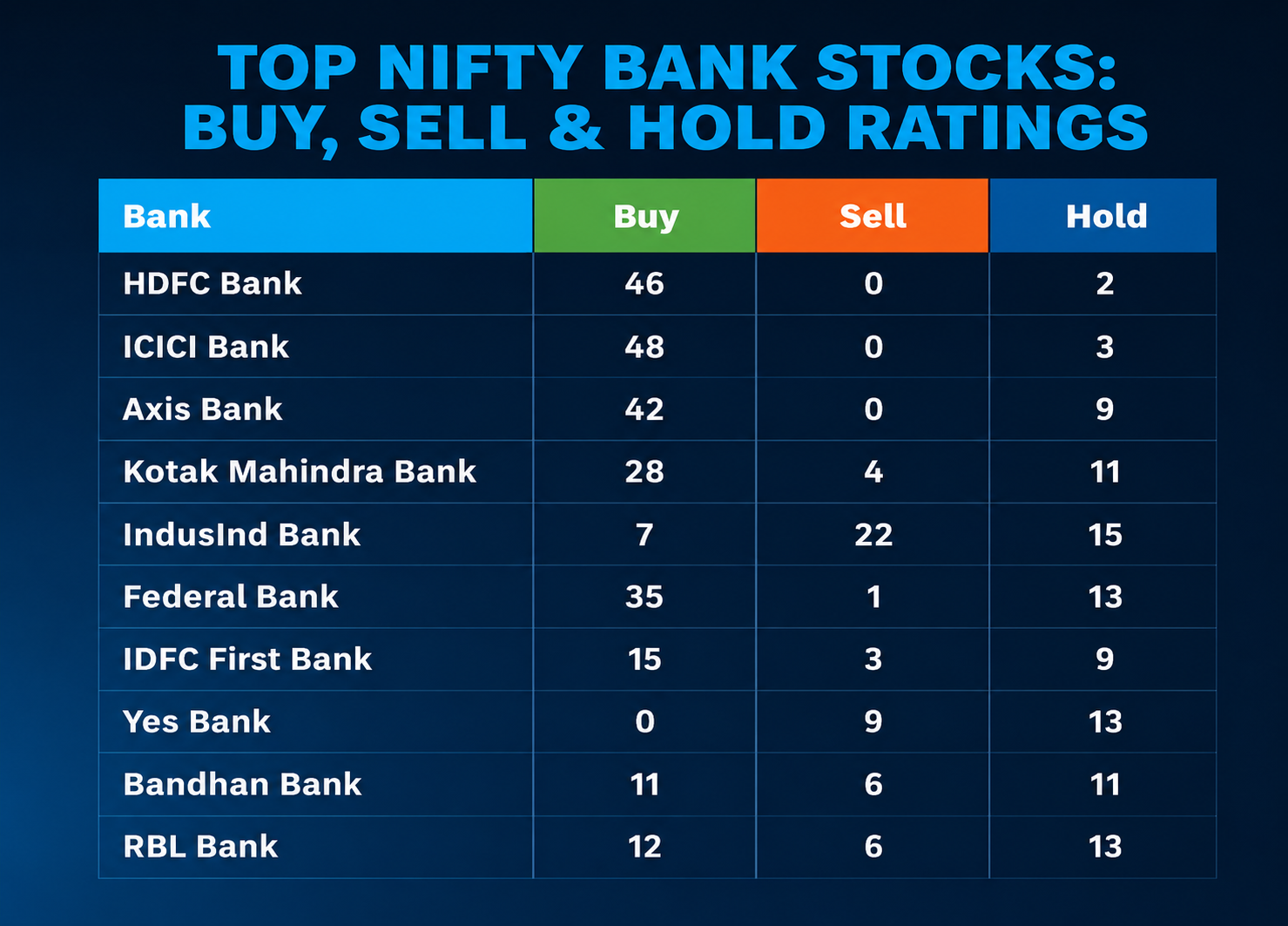
Finally, investors select the best companies from strong sectors by studying:
- Revenue growth
- Profitability
- Financial health
- Technical setup
- Future potential
This helps improve stock selection quality.
Example of Top-Down Analysis
Suppose:
- The economy is growing
- Interest rates are stable
- Banking sector is showing strength
An investor may then focus on strong banking stocks with:
- Good earnings
- Strong chart patterns
- High institutional interest
This creates a more structured investment approach.
Why Top-Down Analysis is Important
Top-Down Analysis helps investors:
- Align with market trends
- Avoid weak sectors
- Improve stock selection
- Understand economic impact
- Reduce investment risk
Professional investors often prefer trading in the direction of strong sectors and overall market momentum.
Advantages of Top-Down Analysis
Provides a broad market perspective
Helps identify strong sectors early
Improves investment decision-making
Useful for portfolio management
Reduces random stock selection
Limitations of Top-Down Analysis
Time-consuming process
Economic conditions can change quickly
Strong sectors do not guarantee every stock will perform well
Requires understanding of macroeconomics and markets
Conclusion
Top-Down Analysis is a structured investment approach that starts from the overall economy and narrows down to sectors and individual stocks. It helps traders and investors align their decisions with broader market trends and economic conditions.
By combining economic analysis, sector analysis, and stock selection, Top-Down Analysis can improve investment quality and help identify stronger opportunities in the stock market.