Intermarket Analysis is the study of how different financial markets influence each other. It helps traders and investors understand the connection between stocks, commodities, bonds, currencies, and global markets to predict overall market direction.
Financial markets do not move independently. A movement in one market often affects another market. Intermarket Analysis helps traders identify these relationships and make smarter trading and investment decisions.
It is widely used by:
- Institutional investors
- Swing traders
- Macro traders
- Portfolio managers
- Global market analysts
What is Intermarket Analysis?
Intermarket Analysis studies the correlation between different asset classes such as:
- Stock Market
- Bond Market
- Commodity Market
- Currency Market
- Crypto Market
The main goal is to understand how one market’s movement impacts another market.
For example:
- Rising crude oil prices may affect airline stocks
- Strong US Dollar may pressure gold prices
- Falling bond yields may support stock markets
Main Markets in Intermarket Analysis
1. Stock Market
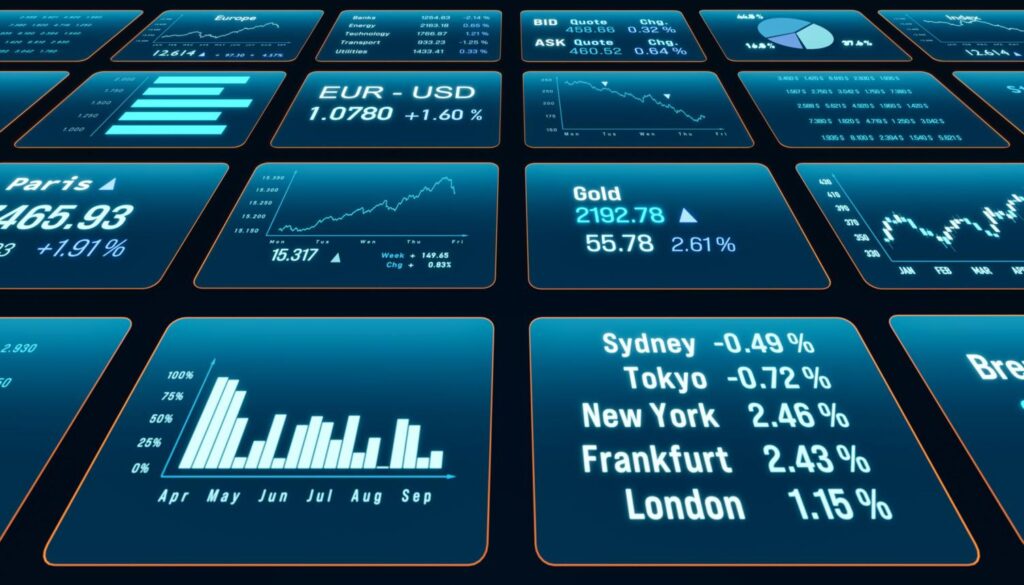
Represents company performance and investor confidence.
Example:
- Nifty 50
- Sensex
- S&P 500
- Nasdaq
Stock markets usually perform well during strong economic conditions.
2. Bond Market
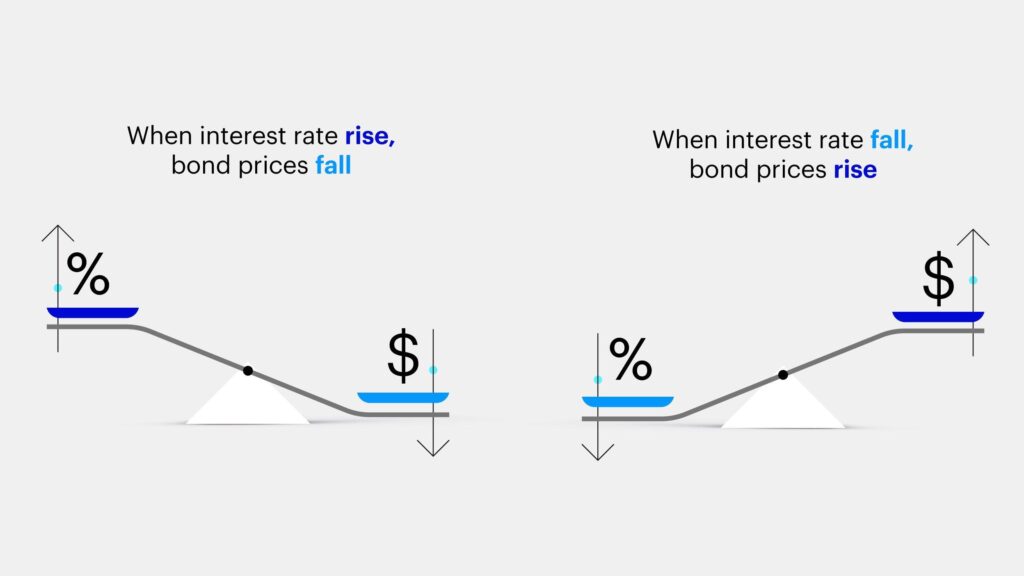
Bonds reflect interest rates and economic expectations.
When bond yields rise:
- Borrowing becomes expensive
- Stock markets may weaken
When bond yields fall:
- Stocks often become attractive
3. Commodity Market

Includes:
- Gold
- Silver
- Crude Oil
- Natural Gas
Commodity prices strongly affect inflation and sector performance.
Example:
- Rising crude oil can increase transportation costs
- Rising gold often indicates fear in the market
4. Currency Market (Forex)

Currency strength impacts:
- Exports
- Imports
- Global investments
Example:
- Strong US Dollar often pressures emerging markets
- Weak Rupee can increase import costs
Important Intermarket Relationships
Stocks vs Bonds
Generally:
- Rising stocks = Falling bond demand
- Rising bond demand = Fear in equities

Gold vs US Dollar
Gold and the US Dollar often move in opposite directions.
📈 Strong Dollar → Gold may fall
📉 Weak Dollar → Gold may rise
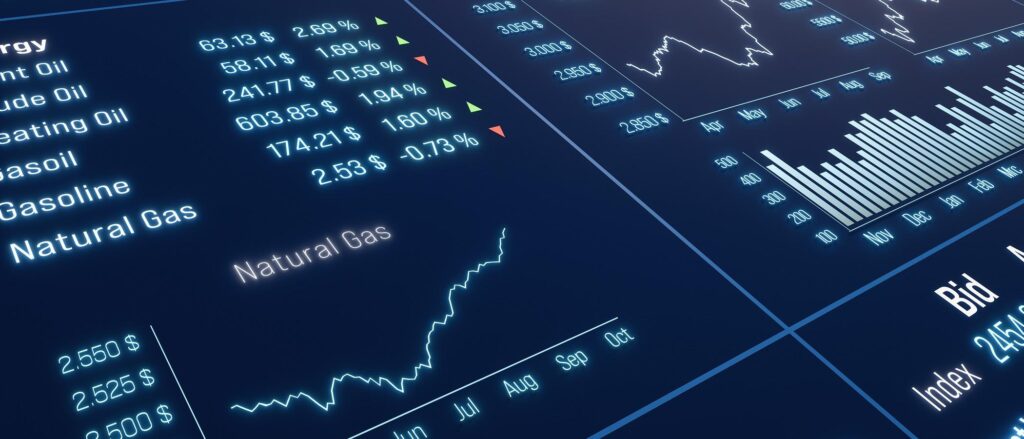
Crude Oil vs Inflation
Higher crude oil prices can increase inflation, which may impact:
- Interest rates
- Market sentiment
- Economic growth
Dollar vs Emerging Markets
A strong US Dollar can create pressure on:
- Indian markets
- Emerging economies
- Foreign investments
Why Intermarket Analysis is Important
Intermarket Analysis helps traders:
- Understand global market trends
- Predict economic shifts
- Improve macro-level decision making
- Identify sector opportunities
- Manage portfolio risk better
Professional traders often monitor multiple markets before taking large positions.
Advantages of Intermarket Analysis
Provides a broader market view
Helps understand global market relationships
Useful for macro trading
Improves risk management
Helps identify early trend shifts
Limitations of Intermarket Analysis
Market relationships can change over time
Requires understanding of multiple asset classes
Global events can create unpredictable reactions
Correlation is not always perfect
Conclusion
Intermarket Analysis is a powerful method that helps traders and investors understand how different financial markets influence each other. By studying relationships between stocks, bonds, commodities, and currencies, traders can gain a deeper understanding of market direction and economic conditions.
Successful market participants often combine intermarket analysis with technical analysis, fundamental analysis, and risk management to make more informed and strategic trading decisions.