Options Analysis is the process of studying options data, market behavior, volatility, open interest, and option pricing to understand market sentiment and predict possible price movement.
In the stock market, options are powerful financial instruments used for:
- Hedging
- Speculation
- Income generation
- Risk management
Options Analysis helps traders understand where smart money may be positioned and how the market expects prices to move in the future.
It is widely used by:
- Options traders
- Institutional investors
- Intraday traders
- Swing traders
- Professional analysts
What are Options?
Options are derivative contracts that give traders the right, but not the obligation, to buy or sell an asset at a specific price before expiry.
There are two main types of options:
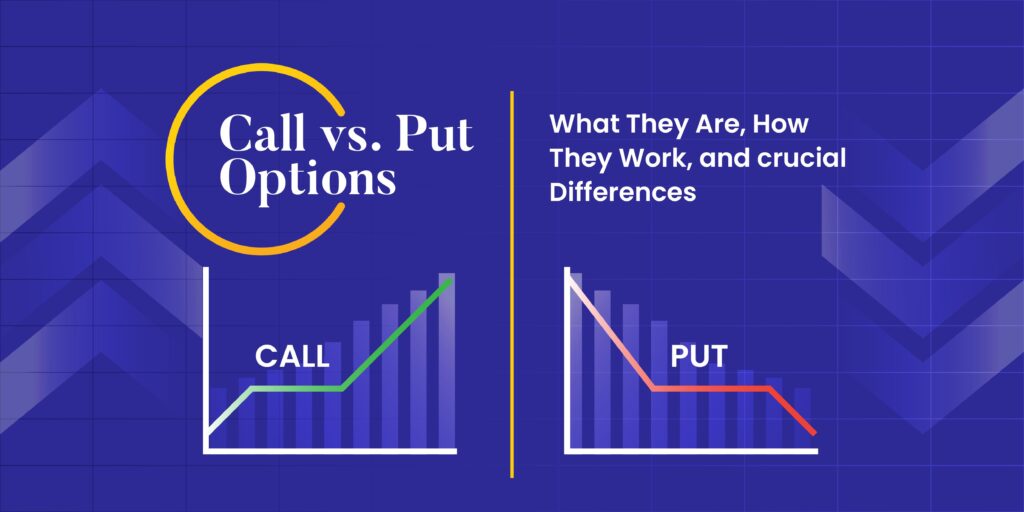
Call Option (CE)
A Call Option gives the right to buy an asset.
📈 Used when traders expect the market to rise.
Put Option (PE)
A Put Option gives the right to sell an asset.
📉 Used when traders expect the market to fall.
Key Concepts in Options Analysis
1. Open Interest (OI)
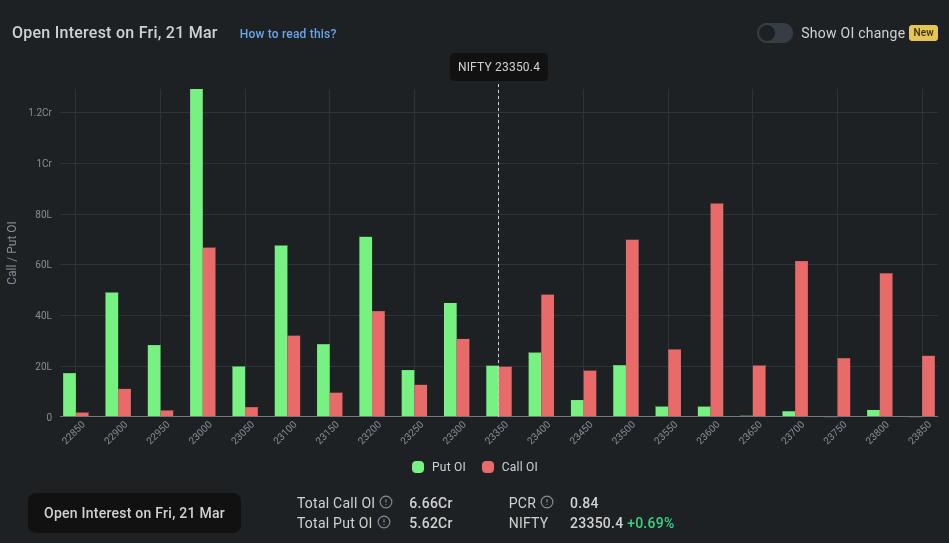
Open Interest shows the total number of active option contracts in the market.
High Open Interest Indicates:
- Strong participation
- Important support/resistance zones
- Institutional activity
2. Put-Call Ratio (PCR)
PCR helps measure market sentiment by comparing Put and Call option activity.
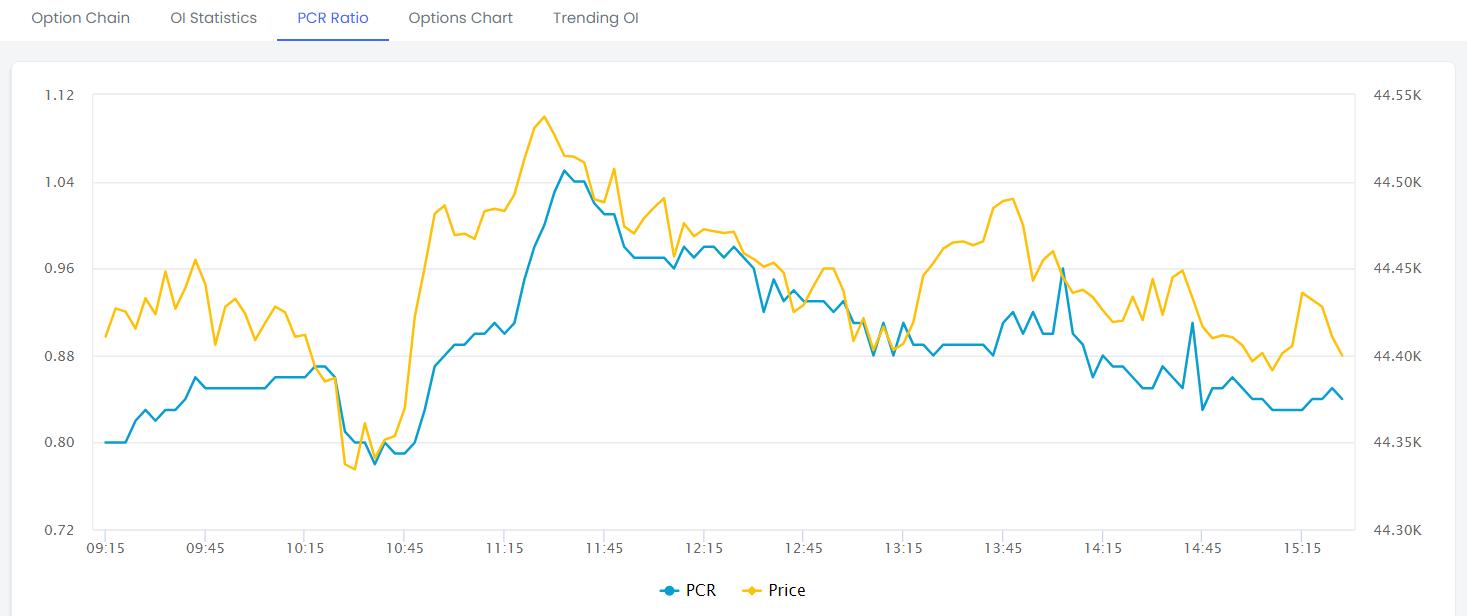
PCR=Total Call Open InterestTotal Put Open Interest
Interpretation:
- High PCR → Bullish or oversold sentiment
- Low PCR → Bearish or overbought sentiment
3. Implied Volatility (IV)
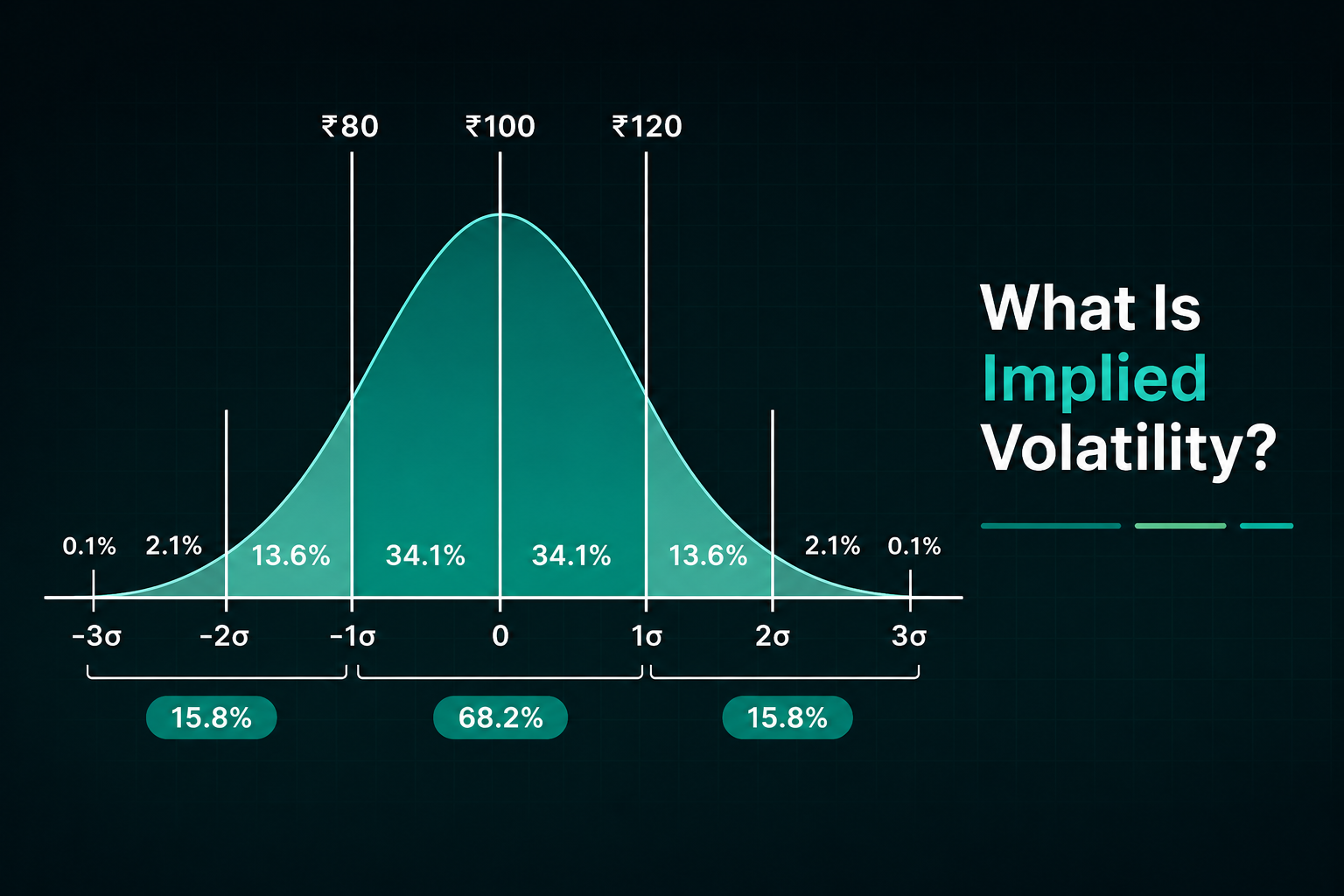
Implied Volatility measures expected future volatility.
High IV
- Large market movement expected
- Option premiums become expensive
Low IV
- Stable market expectation
- Lower option premiums
4. Option Chain Analysis

Option Chain displays:
- Strike prices
- Open interest
- Volume
- IV
- Premium data
Traders use it to identify:
- Support & resistance
- Market direction
- Institutional positioning
Important Option Greeks
Option Greeks measure how option prices react to market changes.
Delta
Measures option price sensitivity to underlying price movement.
Theta
Measures time decay in option premiums.
Vega
Measures sensitivity to volatility changes.
Gamma
Measures the rate of change in Delta.
Professional options traders closely monitor Greeks for risk management.
Types of Options Analysis
Bullish Analysis
Traders look for:
- Strong Put writing
- Increasing Call buying
- Bullish PCR changes
Bearish Analysis
Traders look for:
- Strong Call writing
- Increasing Put buying
- Weak market sentiment
Volatility Analysis
Focuses on:
- IV expansion
- IV crush
- Event-based volatility
Especially important during:
- Earnings
- Budget announcements
- RBI/Fed meetings
Advantages of Options Analysis
Helps understand market sentiment
Identifies support & resistance zones
Useful for hedging strategies
Provides insight into institutional activity
Improves trading accuracy
Limitations of Options Analysis
Complex for beginners
Requires understanding of volatility & Greeks
Time decay affects option value
Sudden market moves can create heavy losses
Conclusion
Options Analysis is a powerful method used to understand market sentiment, volatility, and institutional positioning through options data. By analyzing Open Interest, PCR, IV, and option chains, traders can gain deeper insights into possible market direction.
However, options trading carries high risk and requires strong risk management, discipline, and market understanding. Successful traders often combine options analysis with technical analysis and price action to improve decision-making and reduce trading mistakes.