Sentiment Analysis is the process of analyzing market emotions, investor psychology, and public opinion to understand whether traders and investors are feeling bullish or bearish about the market.
In the stock market, prices are not driven only by numbers and charts — emotions like fear, greed, optimism, and panic also play a major role. Sentiment Analysis helps traders measure these emotions and predict possible market movements.
It is widely used by:
- Traders
- Institutional investors
- Market analysts
- Options traders
- Crypto traders
What is Sentiment Analysis?
Sentiment Analysis studies how people feel about a stock, sector, or the overall market.
It focuses on:
- Market mood
- Investor confidence
- News reactions
- Social media discussions
- Fear and greed levels
The main goal is to identify whether market participants are mostly positive or negative.
Types of Market Sentiment
Bullish Sentiment

When investors believe prices will rise.
Characteristics:
- Strong buying activity
- Positive news flow
- High confidence
- Rising market momentum
📈 Indicates optimism in the market.
Bearish Sentiment

When investors expect prices to fall.
Characteristics:
- Heavy selling pressure
- Fear in the market
- Negative news sentiment
- Weak market confidence
📉 Indicates pessimism in the market.
Sources Used in Sentiment Analysis
1. News Analysis
Market-moving news strongly affects investor sentiment.

Examples:
- Company earnings
- Government policies
- Interest rate decisions
- Economic reports
- Global events
Positive news usually creates bullish sentiment, while negative news can create panic selling.
2. Social Media Sentiment

Platforms like:
- Twitter/X
- Telegram
- Financial communities
are analyzed to understand public market opinion and hype.
This became especially popular after meme stock movements.
3. Fear & Greed Index
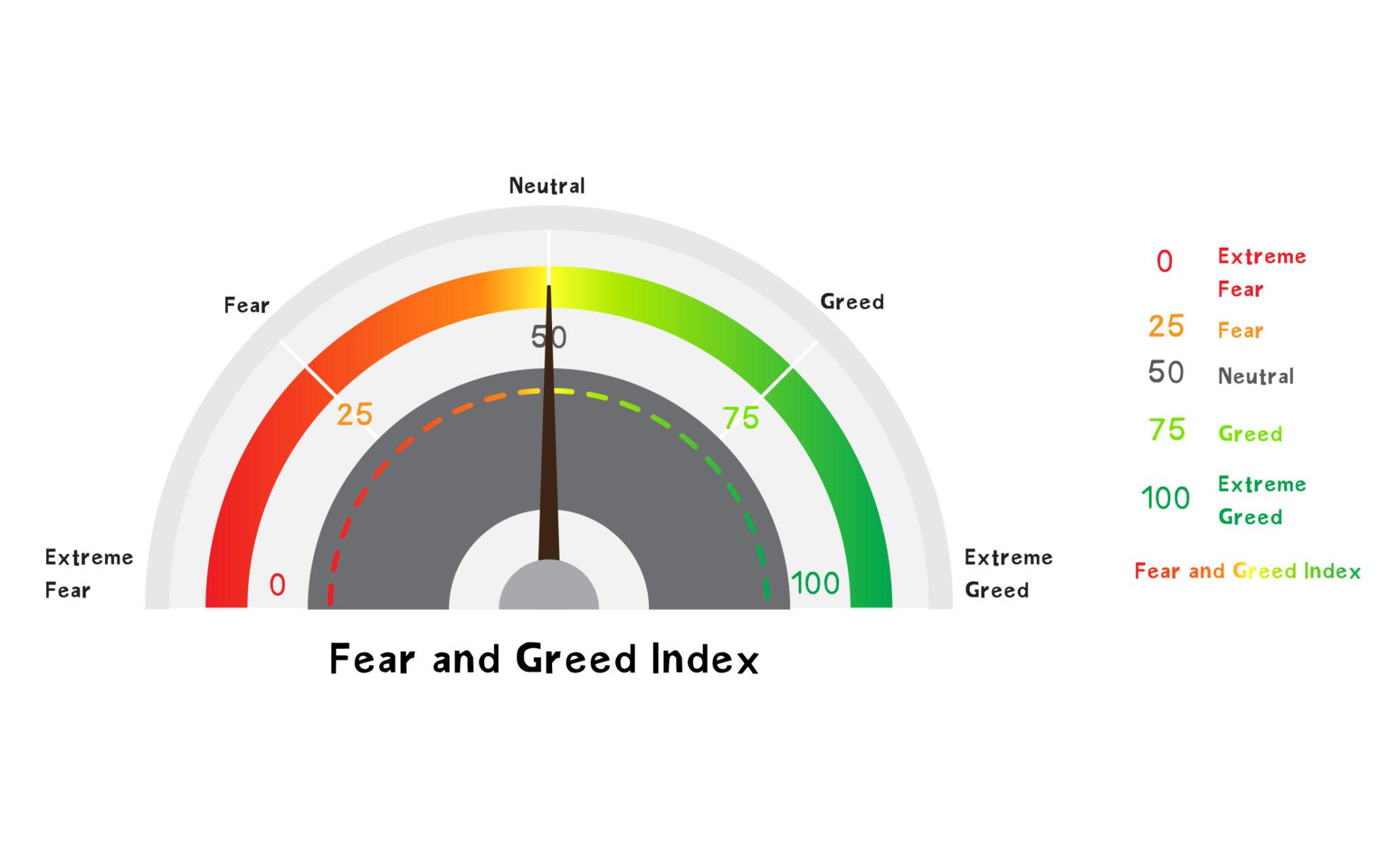
This indicator measures overall market emotion.
- Extreme Fear → Possible buying opportunity
- Extreme Greed → Possible market correction
Sentiment traders often use this index to understand crowd psychology.
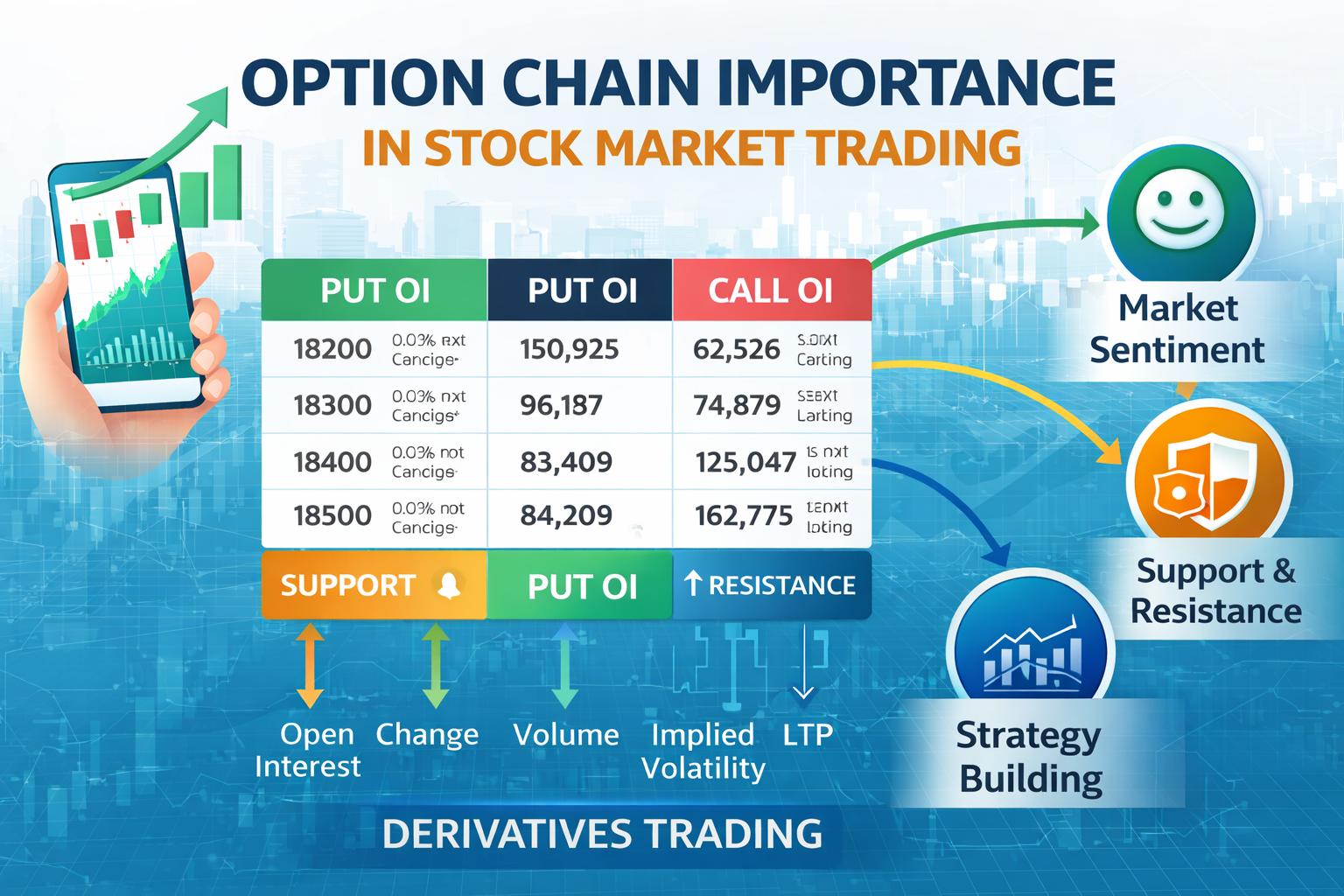
4. Options Market Data
Options traders analyze:
- Put-Call Ratio
- Open Interest
- Volatility
to understand market expectations and sentiment.
Importance of Sentiment Analysis
Sentiment Analysis helps traders:
- Understand crowd psychology
- Detect panic or euphoria
- Identify possible reversals
- Avoid emotional trading
- Understand market momentum
Sometimes markets move more because of emotions than actual fundamentals.
Advantages of Sentiment Analysis
Helps understand market psychology
Useful during volatile markets
Identifies fear and greed cycles
Supports trading confirmation
Helpful in short-term trading
Limitations of Sentiment Analysis
Market sentiment can change quickly
Social media hype may be misleading
Difficult to measure emotions accurately
Sentiment alone cannot guarantee success
Conclusion
Sentiment Analysis is a powerful method used to understand market psychology and investor emotions. Since fear and greed often drive price movement, understanding sentiment can help traders identify opportunities and avoid emotional mistakes.
However, sentiment analysis works best when combined with technical analysis, fundamentals, and proper risk management. Successful traders understand not only what the market is doing — but also how people are feeling about it.